How to Choose the Right Steel Belt for Your Industrial Cooling and Flaking Process
In the evolving landscape of industrial processing, particularly for chemicals, food, and resins, the efficiency of cooling and solidification directly impacts product quality, energy consumption, and operational costs. The core of many such systems is the steel belt. Selecting the appropriate one is not merely a procurement decision but a critical engineering choice that defines your production line's capability. This guide, drawing from the extensive expertise of BPS/EPS, will walk you through the key considerations for choosing the perfect steel belt for applications like Sulphur Pastillators, Resin Steel Belt Coolers, and Powder Steel Belt Flakers.
Why the Right Steel Belt Matters
An ill-suited belt can lead to inconsistent product thickness, poor heat transfer, premature wear, contamination, and frequent downtime. For processes involving epoxy steel belt coolers or polyester steel belt coolers, the belt's thermal properties are paramount. In food applications like a steamed cake production line or a chocolate steel belt conveyor, hygiene and surface finish become non-negotiable. Making an informed choice ensures longevity, consistency, and a strong return on investment.
Step 1: Define Your Core Application and Material
The process dictates the belt's requirements. Start by clearly identifying your primary use case:
- Pastillation (e.g., Sulphur Pastillor, Wax Pastillor): Requires excellent, uniform heat transfer for rapid droplet solidification. The belt surface must be smooth to allow clean release of pastilles.
- Cooling/Flaking (e.g., Single-belt resin flaker, Double-belt resin cooling flaker, Powder painting steel belt flaker): Demands superior thermal conductivity and flatness to form uniform sheets or flakes. The belt must withstand thermal cycling without warping.
- Baking & Cooking (e.g., Steel belt bakery tunnel oven, Steel belt Steam oven): Needs high-temperature resistance and often a specific surface texture (e.g., for bread scoring).
- Conveying & Molding (e.g., Chocolate steel belt conveyor, Crab stick molding machine): Prioritizes hygiene, easy cleaning, and sometimes non-stick properties. PTFE coating might be considered here.
- Pressing (e.g., Wood OSB press belts, Press steel belts): Requires immense tensile strength and durability under high pressure.
Companies like BPS/EPS specialize in providing total solutions for these varied steel belt transmission based manufactures, ensuring the belt is matched to the application from the outset.
Step 2: Choose the Base Material: Carbon Steel vs. Stainless Steel
This is the most fundamental choice, balancing performance, cost, and corrosion resistance.
Carbon Steel Belts
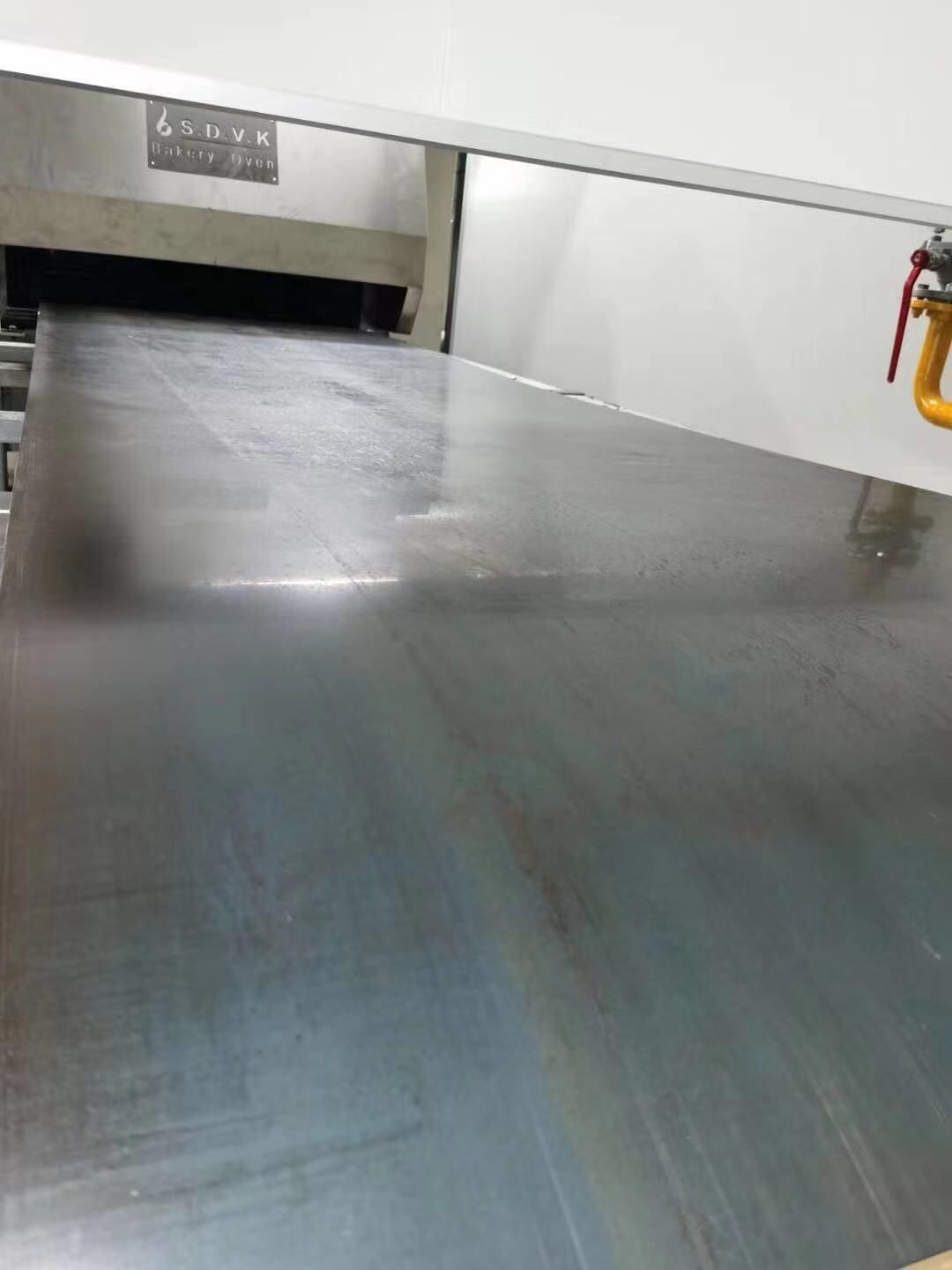
Best For: Applications with excellent thermal performance needs and low corrosion risk. Ideal for steel belt bakery tunnel ovens, drying pastes, and high-temperature processing where a dark oxide layer is acceptable.
Key Traits from BPS/EPS:
- Very good static and fatigue strength.
- Excellent thermal properties for heating, baking, cooling, drying.
- Excellent wear resistance and good repairability.
- Cost-effective for non-corrosive environments.
Stainless Steel Belts
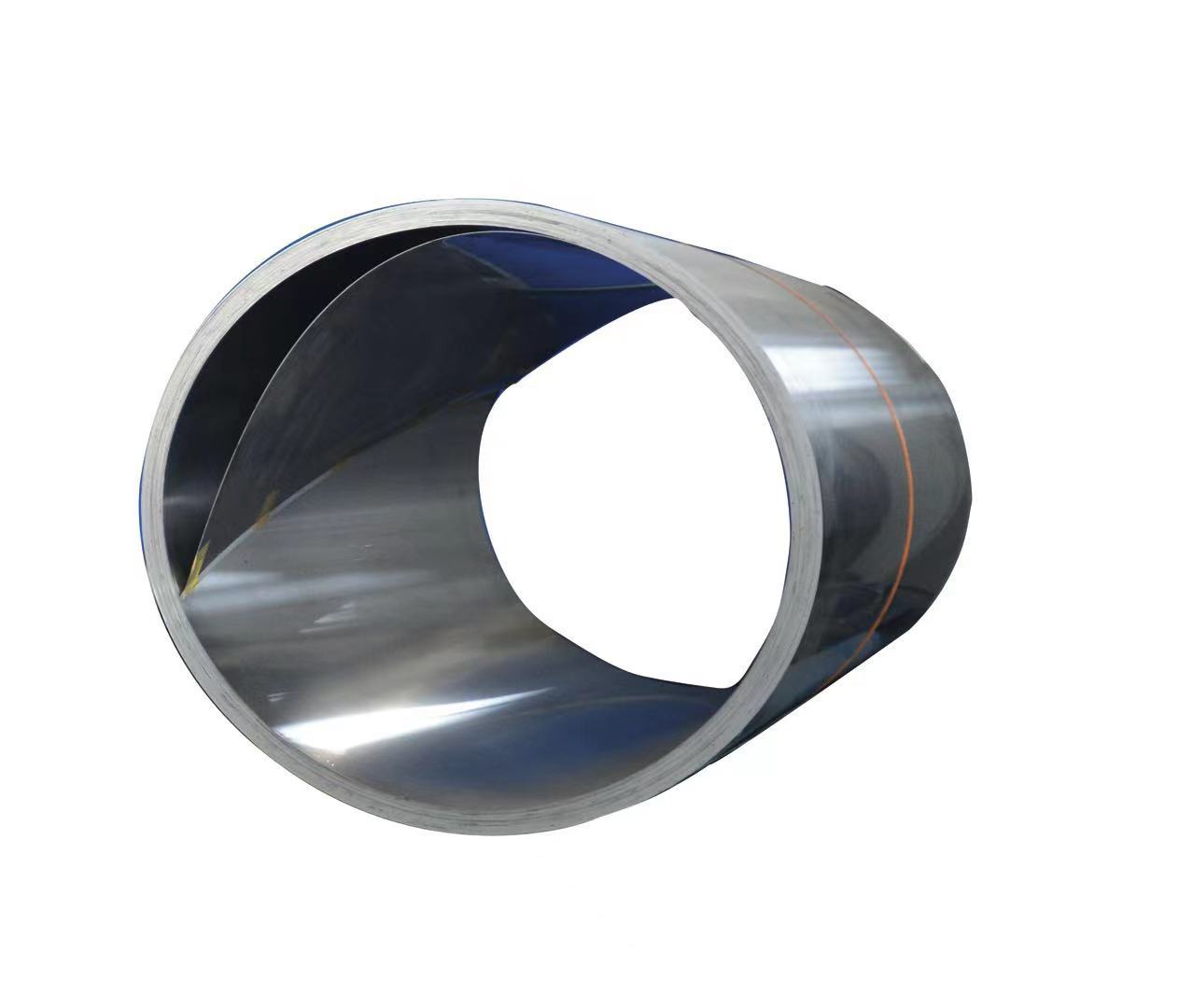
Best For: Hygienic processing, corrosive environments (acids, salts, moisture), and food-grade applications like chocolate conveying or crab stick molding.
Key Traits from BPS/EPS:
- High strength, excellent ductility, outstanding corrosion resistance.
- Suitable for cold working to achieve higher tensile strength.
- Essential for steamed cake production lines and pharmaceutical uses.
- Available in various finishes (e.g., polished, matte).
Step 3: Specify Technical Parameters and Customizations
Once the material is chosen, precise engineering specifications lock in performance.
- Dimensions & Tolerances: Define length, width, and thickness. Reputable suppliers like BPS/EPS adhere to strict delivery tolerances (e.g., Thickness: ±0.045 mm).
- Surface Finish: Plain, polished, or textured. A mirror finish aids release in pastillation; a matte finish might provide grip for dough.
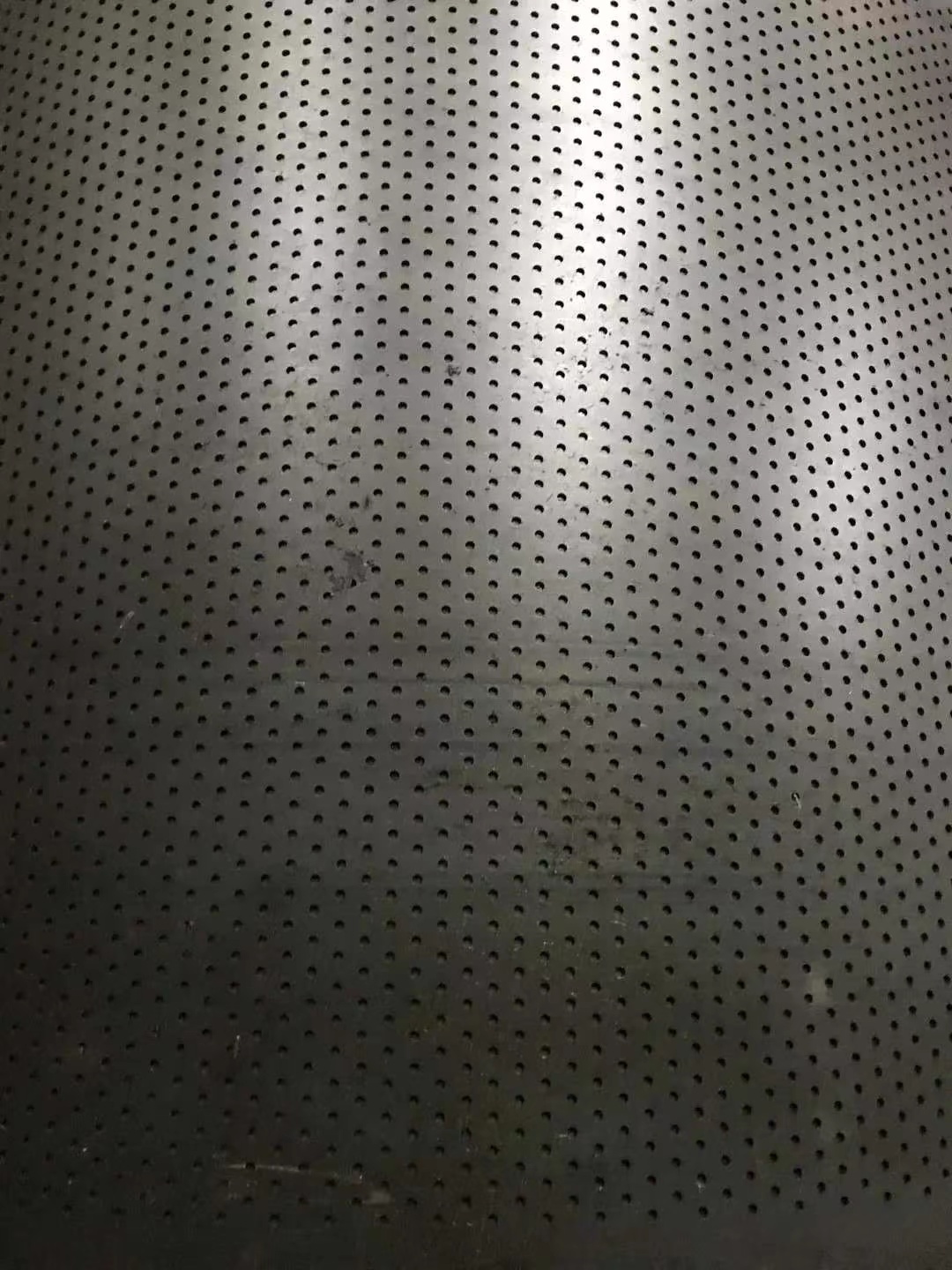
- Perforations: For processes requiring airflow or drainage, perforated belts are crucial. Specify hole pattern, size, and pitch.
- Edge Configurations: Options include rubber V-ropes (for precise tracking), retaining strips to contain product, or transverse flights for incline conveying.
- Special Coatings: For non-stick requirements, PTFE coating steel belts or other casting coating steel belts can be applied.
- Form of Supply: Open-length belts for on-site welding or endless belts with factory-welded joints for immediate installation.
Step 4: Evaluate the Supplier's Capability and Support
The belt is part of a larger system. Your supplier should be a partner. Consider:
- Technical Expertise: Can they provide advanced applications guidance and production process controls? BPS/EPS, with its team of overseas Chinese experts, focuses on genuine cooperation to provide the best solutions.
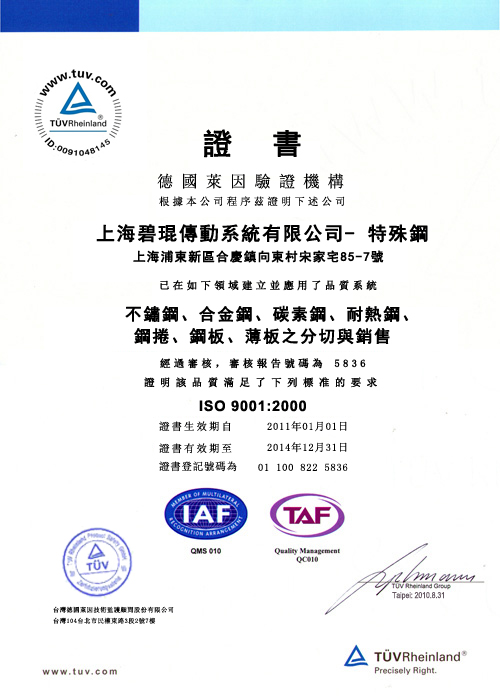
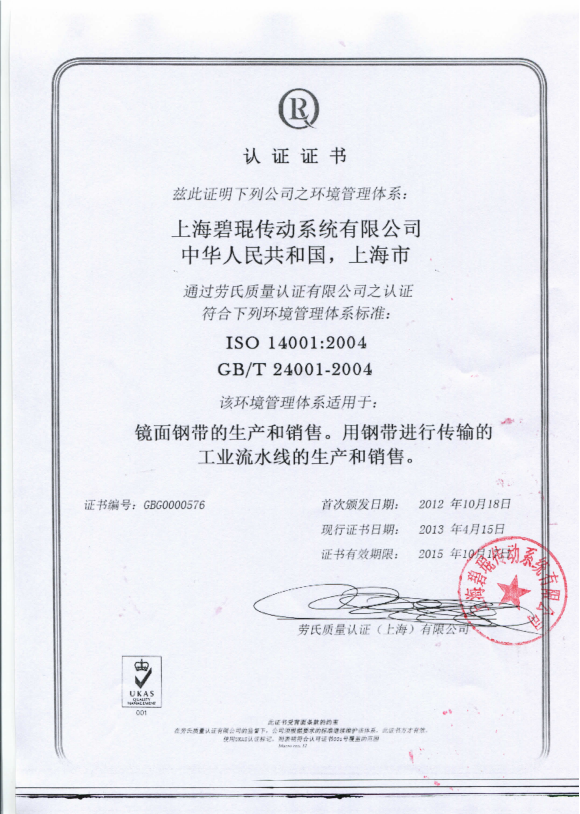
- Manufacturing Quality: Look for certifications. BPS/EPS holds both ISO 9001:2000 for quality management and ISO 14001:2004 for environmental management, ensuring reliable and responsibly made products.
- Total Solution Offering: Do they supply related equipment like Epoxy Steel Belt Coolers or Polyester Steel Belt Coolers? An integrated supplier ensures system compatibility.
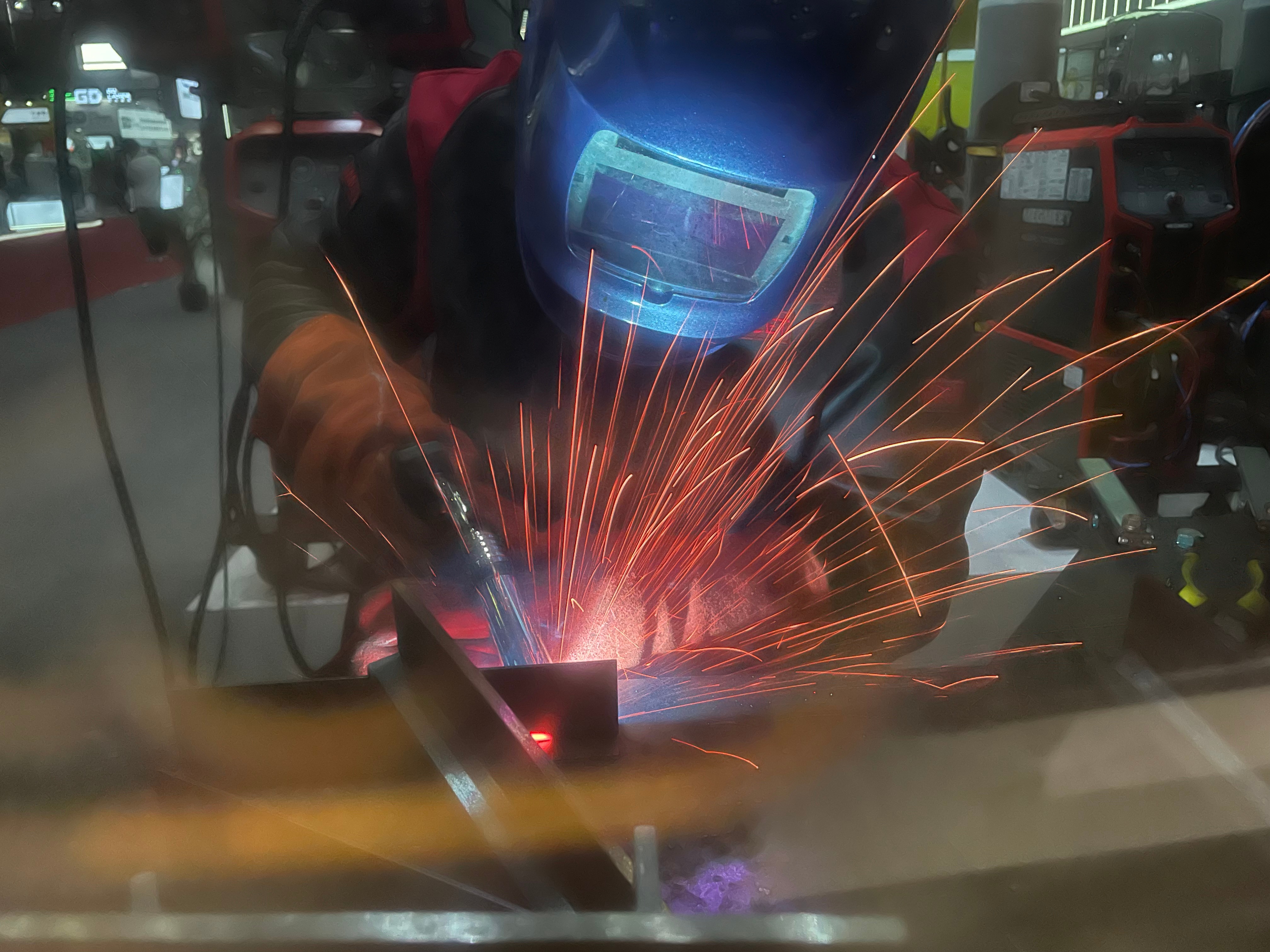
- After-Sales & Service: This is critical. Ensure they offer steel belt crack welding repair, insert repair, V-rope replacement, and emergency support. BPS/EPS maintains a service center in Shanghai for spare parts, maintenance, and training.
Step 5: Consider Lifecycle Cost, Not Just Initial Price
A cheaper, lower-quality belt often costs more in the long run. Factor in:
- Durability & Repair-ability: Belts with high wear resistance and good repairability (like those from BPS/EPS) have a longer service life, reducing replacement frequency.
- Energy Efficiency: A belt with excellent thermal properties improves heat transfer in a resin steel belt cooler, lowering energy consumption for cooling.
- Downtime Impact: Unplanned stops for repair are costly. Reliable belts and accessible equipment maintenance and repair services minimize this risk.
- Product Yield: A flat, consistent belt produces uniform flakes in a powder painting steel belt flaker or perfect pastilles, reducing waste.
Making the Final Decision with BPS/EPS
Choosing the right steel belt is a technical process best navigated with an expert partner. BPS/EPS embodies the mission "Based in China and serve globally," offering more than just belts. They provide:
- A comprehensive range: from standard carbon belts and stainless steel belts to frible steel belts and custom electric steel belts.
- Full-system equipment: Sulphur Pastillators, Steel belt Steam ovens, Chocolate Steel Belt Conveyors.
- End-to-end service: from installation guidance to lifetime repair support.
By engaging with a solution-oriented partner early in your design or refurbishment project, you secure not just a component, but a guarantee of smoother, more efficient, and more profitable production.
Contact BPS/EPS for a consultation:
Phone: +86-13916661495 / +86-21-68904153
Email: ken.feng@bpstek.com / sales@bpstek.com
Website: www.bpstek.com
Address: No.172 Xuanchun Road, Xuanqiao Town, Pudong New District, Shanghai, China
Investing time in selecting the correct steel belt, guided by application needs, material science, and supplier capability, is an investment in your plant's future productivity and product excellence. In industries where precision and reliability are paramount, the belt beneath your product truly carries the weight of your success.