Selecting the Perfect Steel Belt: A Decision Guide for Process Engineers
In the world of continuous industrial processing, the choice of a steel belt is far from trivial. It's the heart of systems like Sulphur Pastillators, Resin Steel Belt Coolers, and powder painting Steel Belt Flakers. A wrong selection can lead to downtime, product contamination, and significant financial loss. With evolving industry trends towards higher efficiency and stricter hygiene standards, making an informed choice is more critical than ever. This guide, drawing from the expertise of BPS/EPS, will walk you through the key considerations.
Industry Context: The Push for Precision and Hygiene
Recent dynamics in chemical, food, and pharmaceutical manufacturing emphasize sustainable, closed-loop cooling and precise particle formation. Equipment like Epoxy Steel Belt Coolers and Polyester Steel Belt Coolers are in high demand for their ability to deliver consistent flake quality while conserving water. Similarly, in food processing, lines for Steamed cake production or Crab stick molding require belts that can withstand constant steam and cleaning without corroding.
Step 1: Define Your Core Process & Material
The application dictates everything. Start by answering these questions:
- Cooling & Solidification: Are you processing hot-melt resins, sulphur, wax (Wax pastillor), or powder coatings? This points you towards a Steel Belt Flaker or Cooler system.
- Baking & Heating: For applications like a Steel belt bakery tunnel Oven, thermal conductivity and stability are paramount.
- Conveying & Forming: Is it for a Chocolate Steel Belt Conveyor or a Crab stick molding machine? Hygiene, surface finish, and flexibility become key.
- Pressing: For wood OSB press belts or press steel belts, immense tensile strength and fatigue resistance are non-negotiable.
Companies like BPS/EPS specialize in providing total solutions that match the belt to the process, not just selling a component.
Step 2: Choose Your Belt Type – The Material Crossroads
This is the most critical technical choice. The two primary contenders are carbon steel belts and stainless steel belts.
Carbon Steel Belts
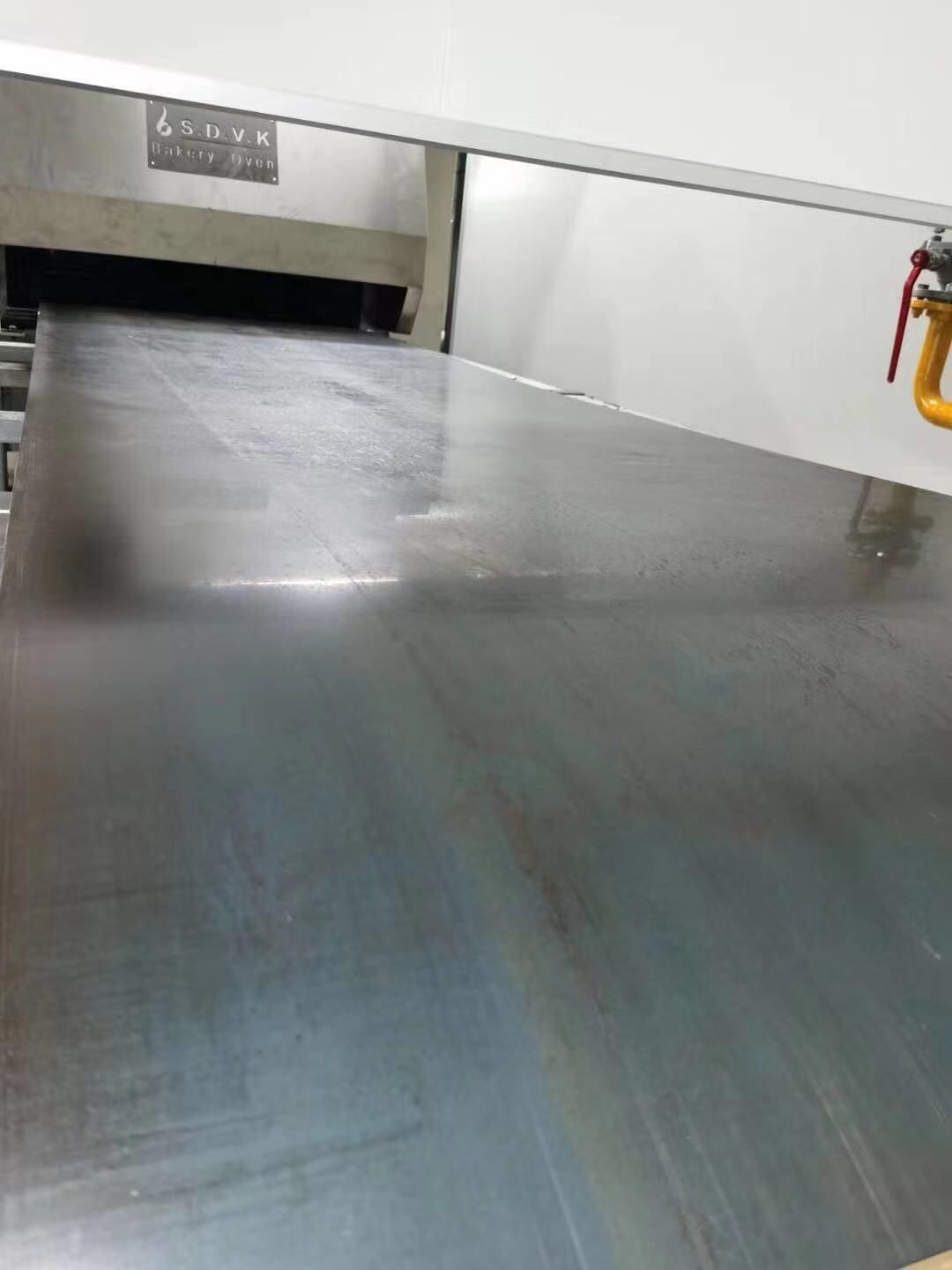
Best For: High-temperature applications with low corrosion risk. Their excellent thermal properties make them ideal for Steel belt bakery tunnel Ovens, drying pastes, or processes where extreme heat transfer is needed.
Pros: Superior static/fatigue strength, excellent thermal conductivity, cost-effective for non-corrosive environments.
Cons: Requires a protective oxide layer and is not suitable for wet, acidic, or hygienic-critical processes.
Stainless Steel Belts
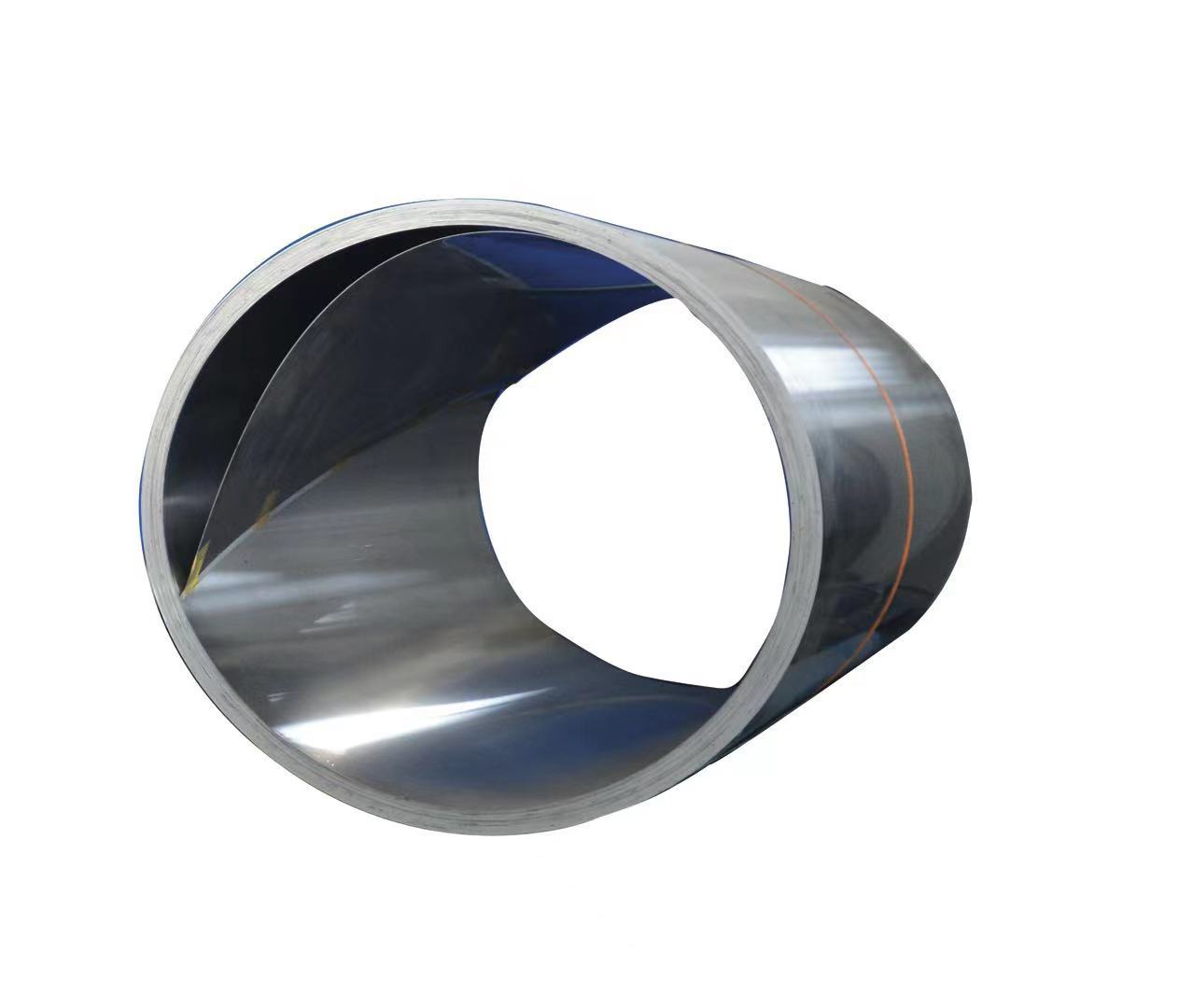
Best For: Hygienic processing, food contact (Steamed cake production line, Chocolate conveying), chemical cooling (Single-belt resin flaker), and any environment with moisture or cleaning agents.
Pros: Outstanding corrosion resistance, high strength with good ductility, easy to clean and sanitize.
Cons: Generally higher initial cost than carbon steel.
For specialized needs, consider variants like PTFE coating steel belts for exceptional release properties, or Perforated belts for drainage or vacuum applications.
Step 3: Specify Technical Parameters & Customizations
Once the material is chosen, dial in the specifics. A quality supplier will offer these options:
- Surface Finish: Mirror finish for easy product release in a Double-belt resin cooling flaker, or a textured finish for grip.
- Form of Supply: Open-length belts for on-site welding (common for Frible Steel belts in heavy press applications) or pre-welded endless belts.
- Tracking & Stability: Integrated rubber V-ropes (sourced from UK/Germany for reliability) or transverse flights for incline conveying.
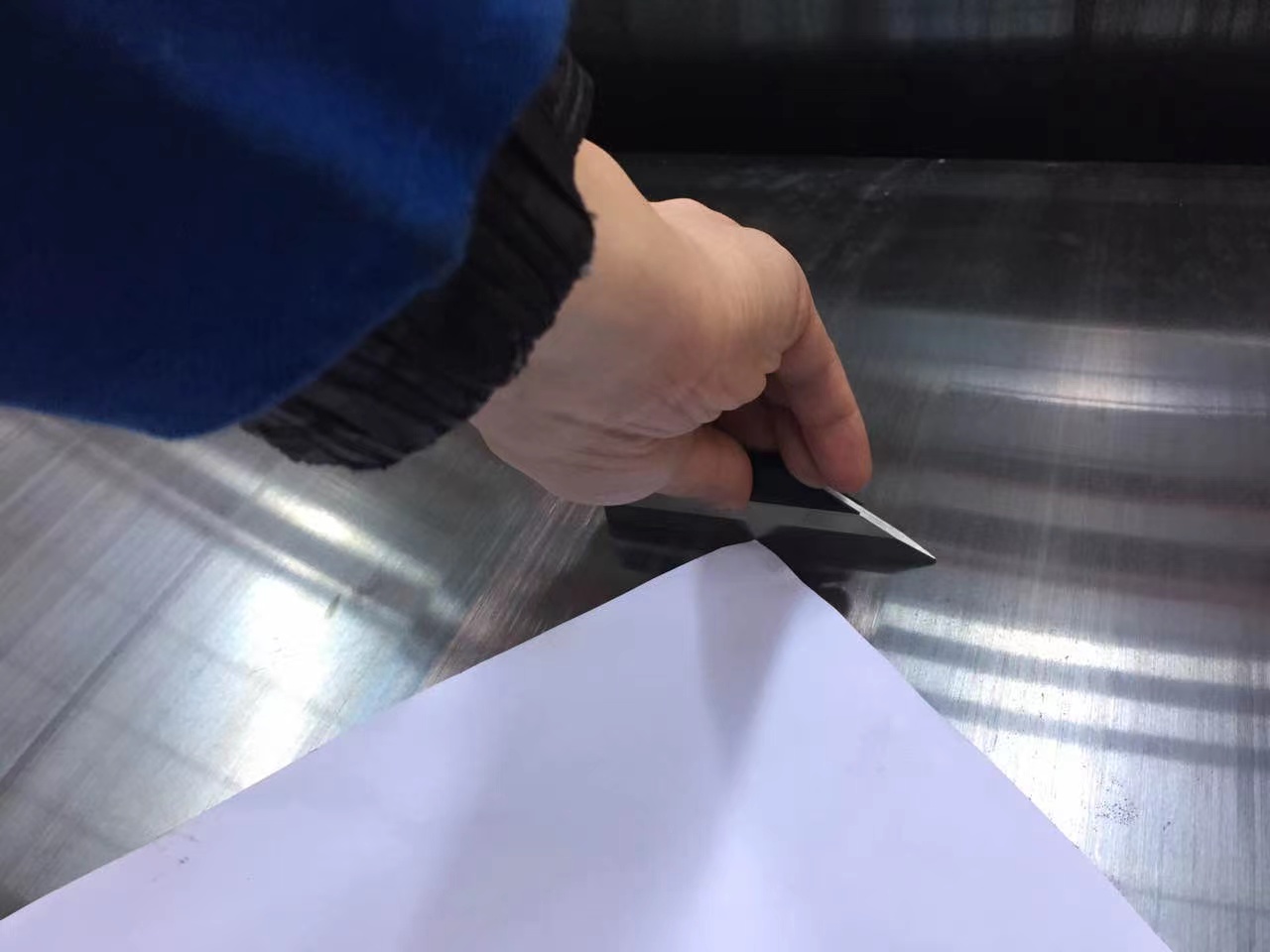
- Tolerances: BPS/EPS maintains strict delivery tolerances (e.g., width ±1mm, thickness ±0.045mm), ensuring seamless integration into your casting coating steel belts system or electric steel belts assembly.
Step 4: Evaluate the Supplier's Total Capability
The belt is part of a larger ecosystem. Your supplier should be a partner. Look for:
- Integrated Equipment Knowledge: Can they provide or expertly advise on the entire system, from the Sulphur Pastillator to the Steel belt Steam oven?
- Technical Support & Services: Post-sale support is crucial. Do they offer steel belt crack welding repair, insert repair, and maintenance? BPS/EPS, for instance, operates a dedicated maintenance center in Shanghai for emergency maintenance and operation training.
- Quality Certifications: This is a mark of trust. Reputable manufacturers like BPS/EPS adhere to international standards, holding certifications like ISO 9001:2000 for quality management and ISO 14001:2004 for environmental management.
- Global Vision with Local Service: With a mission to "Based in China and serve globally," BPS/EPS combines the scalability of a Chinese manufacturer with the technical sophistication demanded by international markets.
Making the Final Decision
There's no one-size-fits-all steel belt. For a powder painting Steel Belt Flaker, a stainless steel belt with high cooling efficiency is key. For a wood OSB press, a heavy-duty carbon steel belt with immense fatigue strength is mandatory.
The best approach is to consult with an expert who understands both the metallurgy of the belt and the nuances of your application. A partner like BPS/EPS can help you navigate these choices to find a solution that ensures product quality, maximizes uptime, and protects your long-term investment.
For a detailed consultation on your specific needs for Stainless steel belts, carbon belts, or any related equipment, visit www.bpstek.com or contact their team at sales@bpstek.com / +86-13916661495.