Navigating the World of Industrial Steel Belts: A Critical Choice for Process Efficiency
The global push for higher efficiency, consistent product quality, and sustainable manufacturing is reshaping industries from chemicals to food processing. At the heart of many continuous production lines—especially for cooling, flaking, and pastillation—lies a critical component: the industrial steel belt. Choosing the right one isn't just about buying a conveyor; it's about selecting the backbone of your process. This guide will walk you through the key considerations, from material science to operational demands, helping you make an informed decision that boosts productivity and protects your investment.
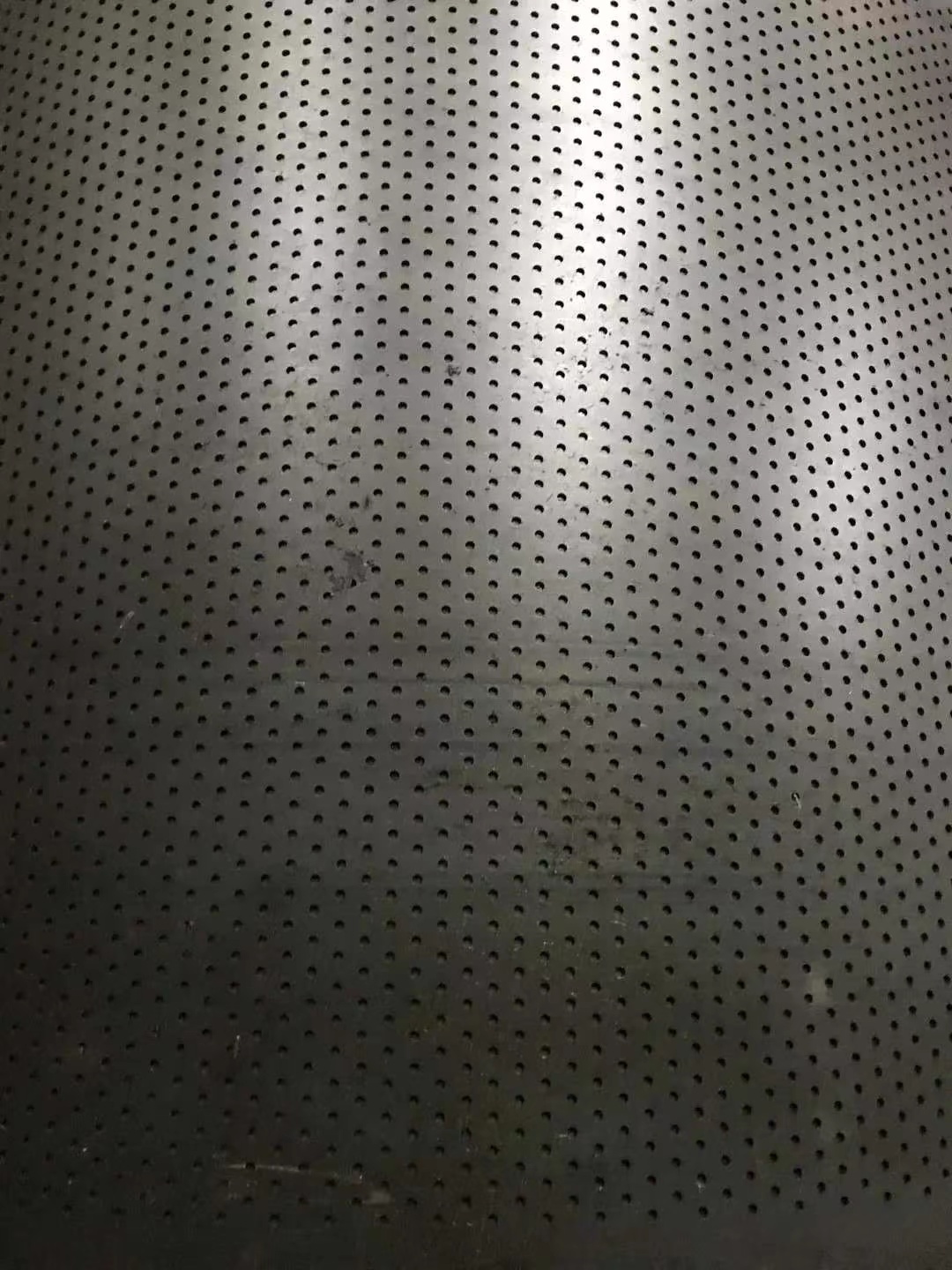
Specialized perforated steel belts enable unique processing functions like drainage or air flow, a customization offered by leading suppliers.
Step 1: Define Your Core Process and Material
Your application dictates everything. Are you running a Sulphur Pastillator or a Wax pastillor? The molten material's properties (viscosity, melting point, cooling curve) are paramount. For resin production, an Epoxy Steel Belt Cooler or Polyester Steel Belt Cooler demands excellent thermal conductivity and a perfectly smooth surface to achieve uniform flake thickness. In food sectors, a Chocolate Steel Belt Conveyor or a Steamed cake production line requires belts with superior hygiene, easy cleanability, and often, specific non-stick properties.
- Hot-Melt Materials (Resins, Powders): Prioritize rapid, uniform cooling. A powder painting Steel Belt Flaker or a Double-belt resin cooling flaker needs a belt with exceptional thermal transfer to solidify material quickly without cracking.
- Food Products (Bakery, Confectionery): Focus on food-grade surfaces and sanitation. Belts for a Steel belt bakery tunnel Oven or Steel belt Steam oven must withstand thermal cycling and steam without corroding.
- Forming & Molding (e.g., Crab sticks): Dimensional stability and surface finish are key for a Crab stick molding machine. The belt acts as a mold, so flatness and precise tracking are non-negotiable.
Step 2: Choose the Belt Material: Carbon Steel vs. Stainless Steel
This is the fundamental material choice, balancing performance, cost, and longevity.
Carbon Steel Belts
Ideal for high-temperature applications with low corrosion risk. Their dark oxide layer provides good wear resistance and excellent thermal properties, making them a cost-effective workhorse for press steel belts in laminating or wood OSB press belts. They offer very good static and fatigue strength, crucial for heavy-duty continuous operation.
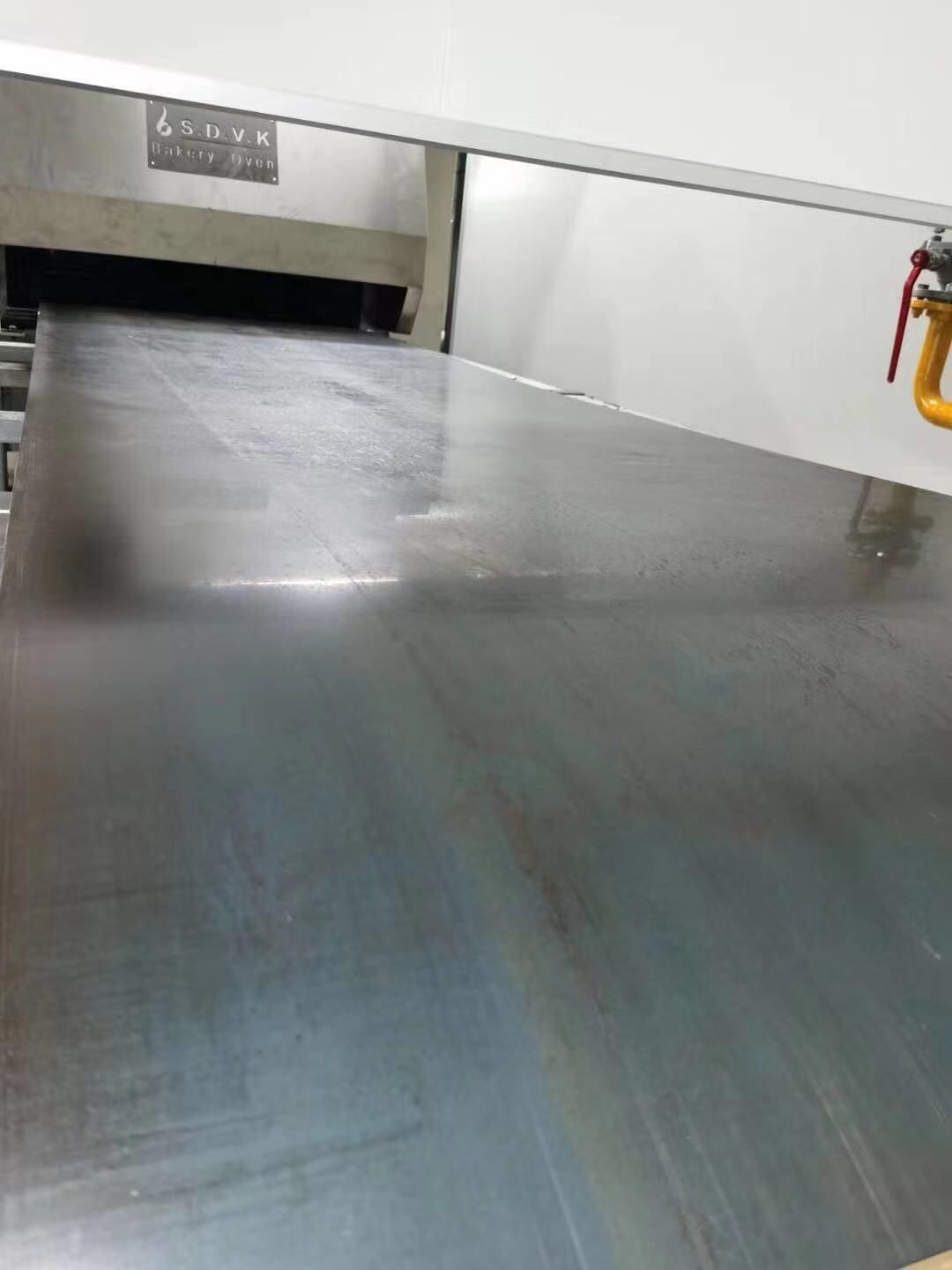
Stainless Steel Belts
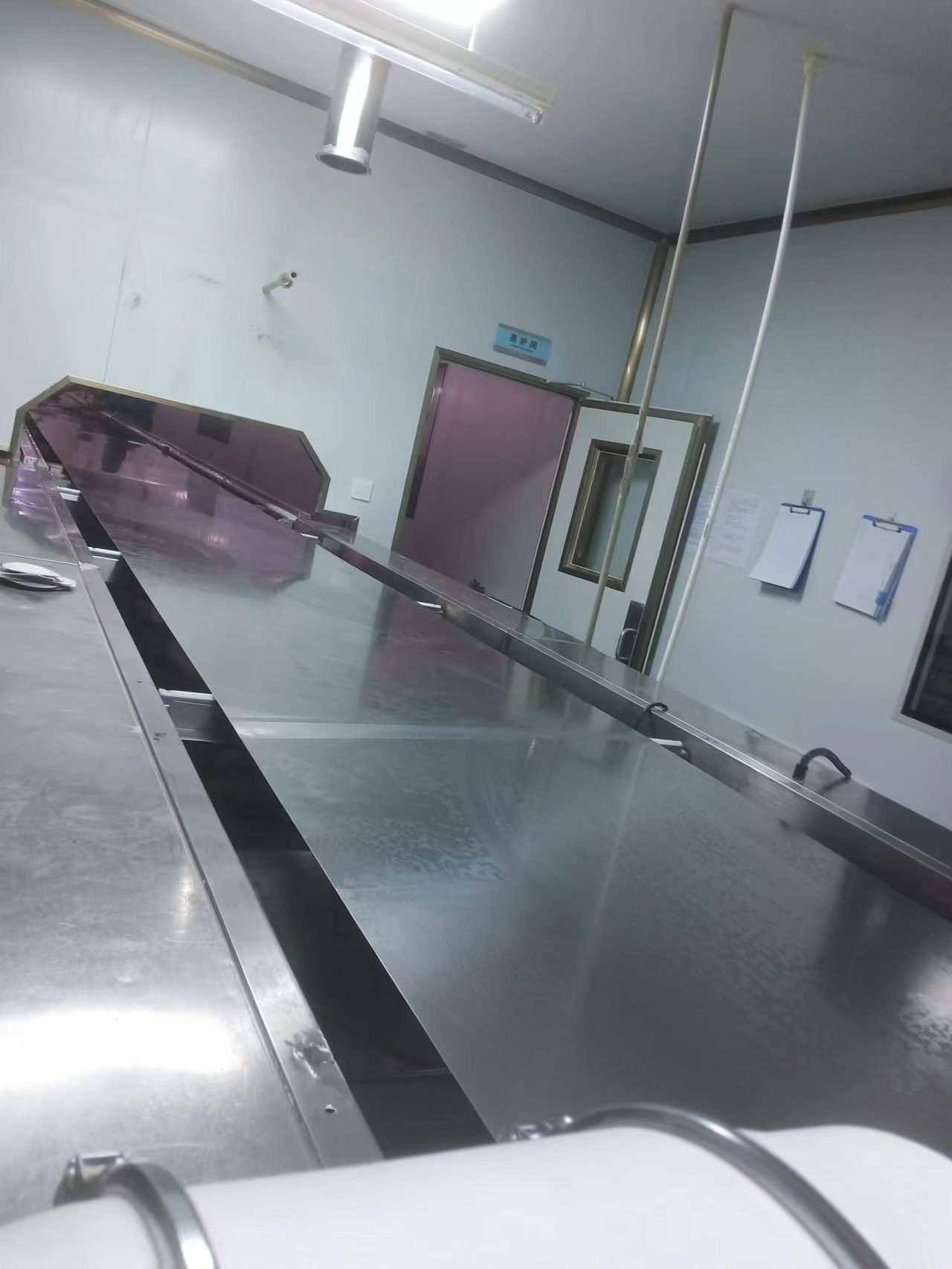
The choice for hygiene, corrosion resistance, and product purity. Austenitic chromium-nickel steel belts are essential for food processing, pharmaceutical applications, or processes involving chemicals. They are also suitable for casting coating steel belts and applications requiring a pristine surface. Their ductility allows for cold working to achieve higher tensile strength.
Step 3: Evaluate Technical Specifications and Customizations
Don't settle for off-the-shelf. The best results come from tailored solutions.
- Surface Finish: Plain, polished, or coated? For sticky materials like some resins, a PTFE coating steel belts might be necessary for easy release.
- Belt Form: Will you weld it on-site (open-length) or require a pre-fabricated endless belt? Consider your maintenance capabilities.
- Special Features: Do you need perforated belts for drainage or airflow? Transverse flights for incline conveying? Rubber V-ropes for precise tracking? These details prevent future headaches.
- Tolerances: High-precision applications demand tight tolerances on thickness (±0.045 mm) and width (±1 mm). Discuss these with your supplier like BPS/EPS to ensure compatibility with your Single-belt resin flaker or other equipment.
Step 4: Partner with a Provider Offering Total Solutions
The belt is part of a system. Your supplier should understand the entire process. Companies like BPS/EPS (Biquick Process Systems) exemplify this approach. Founded by overseas Chinese experts, they focus not just on selling Steel Belts, but on providing "total solutions, advanced applications, and production process controls."
Why does this matter? If you're integrating a new Frible Steel belts system or a powder painting Steel Belt Flaker, you need a partner who can advise on the interplay between the belt, the cooler mechanism, the drive system, and the product characteristics. With offices across China (Shanghai, Beijing, Guangzhou) and a dedicated maintenance center in Shanghai, BPS/EPS ensures support through "equipment installation, maintenance and repair, spare parts replacement," and even specialized Steel belt crack welding repair.
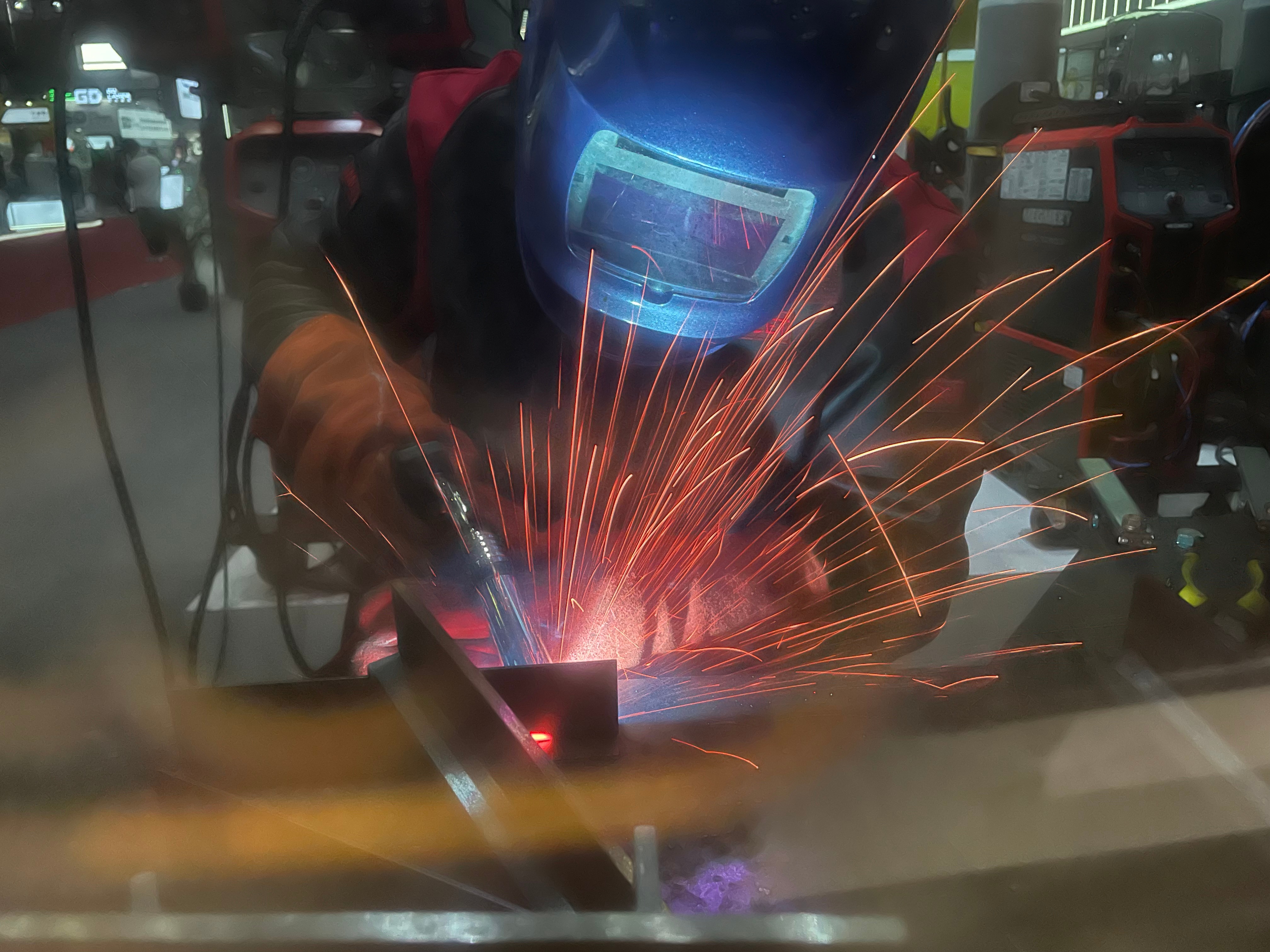
Professional repair services, like crack welding, extend belt life and protect your capital investment.
Step 5: Prioritize Lifecycle Support and Certifications
The initial purchase is just the beginning. Consider the long-term relationship.
- After-Sales Service: Can the supplier provide emergency maintenance, operation training, and reliable spare parts? A global service network is a significant advantage.
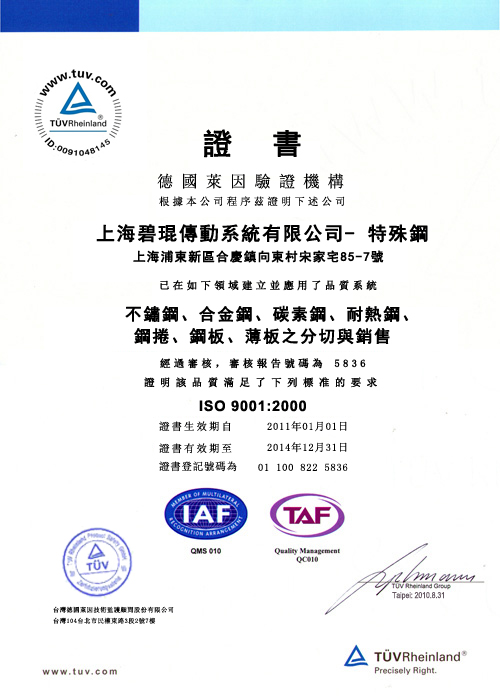
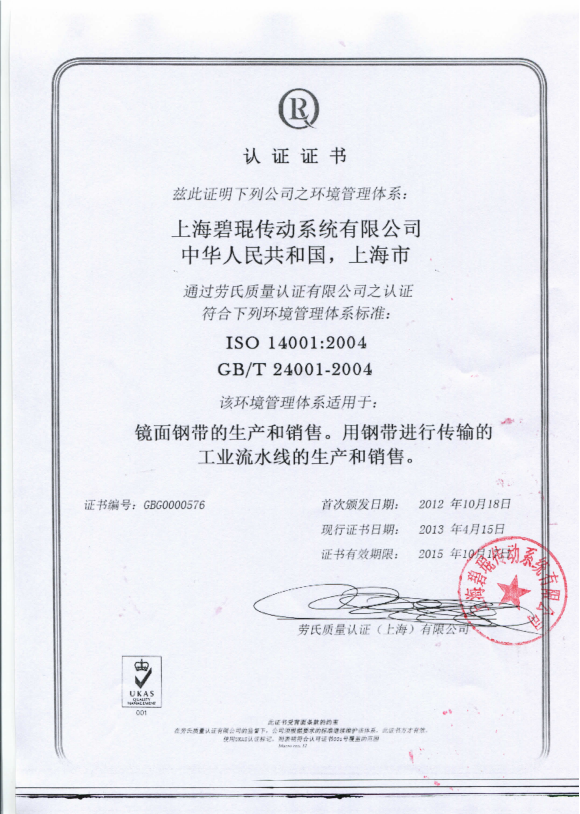
- Quality Assurance: Look for certifications that guarantee consistent quality. Reputable manufacturers hold international standards like ISO 9001:2000 for quality management and ISO 14001:2004 for environmental management, ensuring reliable and responsibly produced belts.
Selecting the right steel belt is a strategic decision that impacts your bottom line for years. By methodically assessing your process needs, material specifications, and supplier capabilities—partnering with a tech-driven company like BPS/EPS—you secure not just a component, but a foundation for efficient, high-quality production. For more detailed specifications or to discuss your specific application for a Steel belt Steam oven or Chocolate Steel Belt Conveyor, visit www.bpstek.com or contact their team at sales@bpstek.com / +86-13916661495.